The Science Behind Being Highly-Sensitivity
How your genes, environment, brain, and nervous system interact.
By Robin Arnett, LCSW
Have you ever wondered why some people feel more deeply, notice subtle cues that others miss, and experience the world with layered nuance? Why certain sounds, emotions, or environments don’t register for other people, but for you, they feel overwhelming? If this describes your experience, it is likely that you are highly sensitive.
High sensitivity — more formally known as sensory processing sensitivity (SPS) — is a temperament trait found in humans and many other species. It’s not a disorder, nor a flaw, but a natural variation in how the nervous system responds to the world. And like many aspects of temperament, genetics plays a significant role in shaping it.
This blog will help to lay out the genetic factors that influence high sensitivity, how the brain and body demonstrate this trait, how those components interact with the environment. If you feel that you are a sensitive person, you’re not making it up. There is science to back up your experience.
What Does it Mean to Be Highly Sensitive?
Before we get into the data, let’s clarify what we mean when we say “sensitivity.”
Highly sensitive people (HSPs) are individuals whose nervous systems are naturally more attuned to both sensory input and their own internal experiences. This doesn’t mean merely being emotionally reactive — it means:
Deeper cognitive processing of stimuli
Heightened responsiveness to subtle environmental cues
Strong emotional and sensory reactions
Empathy and attunement to others’ experiences
Research suggests that about 15–20% of the population falls within this high-sensitivity range — a minority, but not a rare one. The sensitivity trait was first identified and described by psychologists Elaine and Arthur Aron in the 1990s and was made more concrete through the Highly Sensitive Person Scale, a tool researchers use to measure the extent of sensory processing sensitivity.
Dr. Elaine Aron uses the acronym DOES to describe what makes HSPs different. DOES stands for:
D - Depth of Processing
O - Over-stimulation
E - Emotional reactions and empathy
S - Sensitivity to subtleties
Essentially, HSPs are taking in more from their environments, and processing that information on a deeper level. This can feel like a burden when there is too much to take in, but can be a powerful asset under the right conditions. The development of any trait involves a variety of genes as well as environmental influences, and studies show that it’s about 50/50 genes to environment when determining whether or not a person becomes highly-sensitive.
“The Sensitivity Gene”
We are going to get technical for a moment. There is a gene called 5-HTTLPR that has come to be known as the “sensitivity gene.” 5-HTTLPR stands for serotonin-transporter-linked polymorphic region. It is also known as the serotonin transporter gene, and in sensitive people, it does its job a little differently. For background context, serotonin is a chemical that wears many hats. One of its functions is to regulate mood. Serotonin transporter, or 5-HTTLPR, is a chemical that helps move serotonin out of the brain. So, in essence, 5-HTTLPR helps to regulate serotonin, which itself regulates mood..
5-HTTLPR comes in two different versions, aka alleles - long and short. When you get a short allele from both parents, you end up with what’s called the “low expression” of the gene, meaning lower levels of serotonin in the brain. Multiple studies have found that the having the low expression of 5-HTTLPR amplifies responsiveness to stressors and emotional contexts. This finding has led scientists to believe that this gene has a strong influence on sensory-processing sensitivity.
Nature via Nurture
As noted, highly sensitive people have a variant of 5-HTTLPR that leads to lower serotonin levels in the brain. You might think that this gene would automatically lead to depression, and that’s what scientists used to think, too. Now, however, it’s understood that this variant makes you more sensitive to your surroundings. That means environment matters a lot.
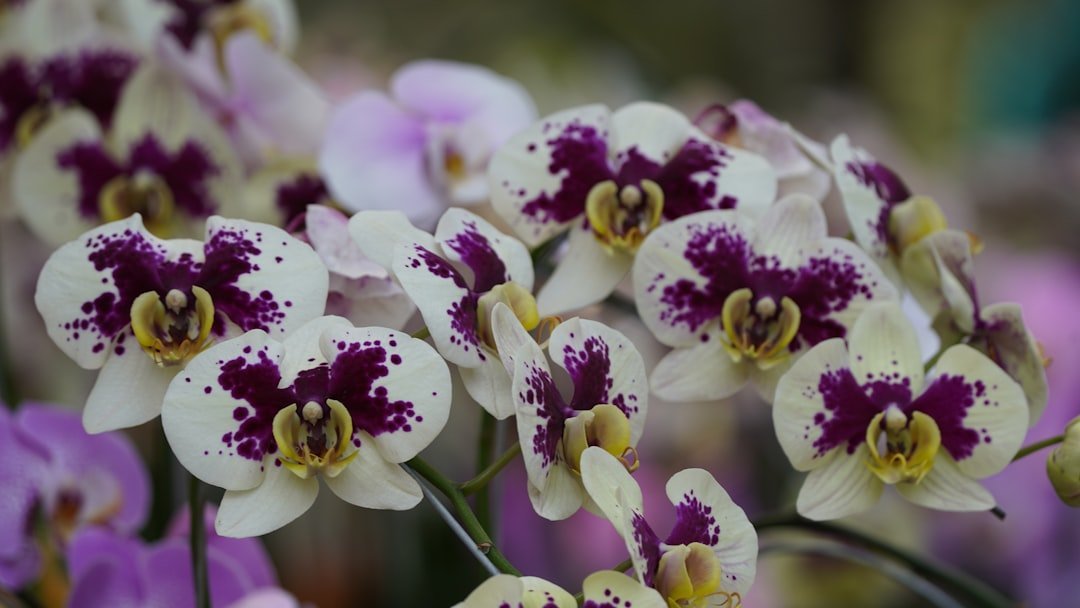
People with high sensitivity are more impacted by both positive and negative factors. So, if you have the sensitive gene + an unhealthy childhood environment, you will be more likely to develop depression than someone in the same environment without that gene. However, if you combine the sensitivity gene with a safe, supportive home environment, you end up with better-than-average outcomes as an adult. It can help to think of being a sensitive person as being similar to being an orchid - more sensitive to its surroundings, but a thing of beauty in the right conditions.
Emotional Vividness
Another gene called “ADRA2b” (beta-2 adrenergic receptor) may influence sensitivity as well. ADRA2b acts as the primary receptor for a neurotransmitter called norepinephrine. Norepinephrine’s roles relate to nervous system mobilization, cognition, and mood regulation. Sensitive people carry a particular variant of the ADRA2b gene which impacts how the world is taken in by the brain. These carriers experience the world with higher levels of perceptual vividness. Carriers of the gene variant also experienced higher “featural salience” of images, which essentially means that they were processed with more emotional intensity for the viewer, aka emotionally enhanced vividness (EEV). Again we see that HSPs take the world in at a higher volume, but also that they process what they experience through a more intense emotional lens.
Oxytocin Receptor Genes
Finally, oxytocin receptor (OXTR) genes influence sensitivity through their impact on how individuals process social cues and stress. Oxytocin in a neurotransmitter with one of the biggest impacts on love and connection. It is essential for social bonding, reproduction, and emotional regulation, and is colloquially known as “the love hormone.” A variant of this gene (A-allele carriers) that affects the density of OXTR receptors has been shown to impact empathy, social memory, and emotional reactivity to both positive and negative environments. Much like with 5-HTTLPR, people with the A-allele variant experience greater negative impacts from harmful stimuli, but are also more responsive to positive social support.
The Nervous System
As noted in the acronym DOES, sensitive people are more likely to be overstimulated than their not-as-sensitive peers. That is because HSP often have heightened autonomic nervous system responses when experiencing stress. That heightened response shows up as heart rate, cortisol levels, and emotional arousal rising faster, and taking longer to fall. Again, this all relates back to the general experience of taking in the world at a higher volume than non-sensitive folks.
Brain Function
Sensitivity also shows up when taking a closer look at the brain. Functional MRI (fMRI) studies show greater activity in several areas of the brain among sensitive people. Those areas are:
Insula: Processes empathy and registers internal sensory information
Amygdala: Perceives threats both emotional and physical
Mirror neuron systems: Registers others’ emotions and actions
Prefrontal cortex: Activates when reflecting and making decisions
What we can take away from these studies is that HSPs are more attuned to their environments, both in terms of sensory input and human interaction, and that they process information more deeply. You’ve probably experienced this at times when a noise or a smell bothered you more than it did others, or when you found yourself moved by a piece of art that fell flat for someone else. Know that this experience isn’t just a difference in opinion - your brain is doing something different as you move through the world and process what you take in.
Bringing It All Together
The point of all of this information is not to bog you down in scientific jargon, but to help bring some validation to your daily experience. If you relate to the idea of being highly-sensitive, it’s not just that you’re “weak” or overly emotional. Sensitivity is a heritable trait that manifests in differences in the brain and nervous system. It also shows up across species, not just in human beings.
If 15-20% of the population reliably shows up with a trait, you can bet that it’s serving a purpose. Sensitive people serve the collective through greater awareness and greater empathy. We are the canaries in the coal mine when something is hurting us or making us sick, and we bring people together through our ability to connect and show compassion. Sensitive humans and animals also tend to make smart decisions in novel situations vs. going with habit because we take time to process information more deeply.
I invite you to celebrate your sensitivity, know that it’s a real thing, and take care of yourself accordingly. Toxic stuff may hurt us more, but we thrive so beautifully when we’re nurtured. Give yourself permission to nourish and protect yourself. When you do, you bring beauty to the world.